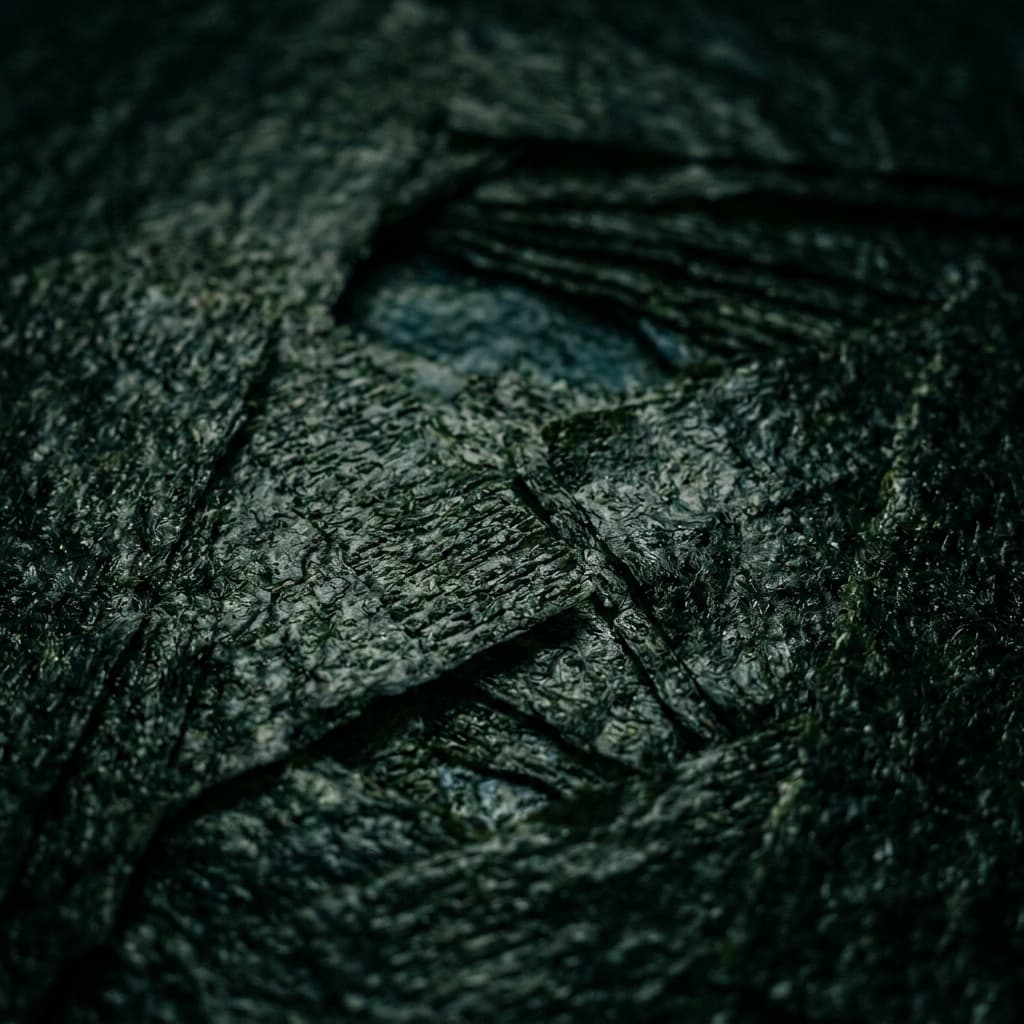
Discover Authentic Japanese Nori
Crisp texture, deep umami flavor, and an aroma of the ocean. Experience the pinnacle of seaweed craftsmanship from Japan's finest waters.
What is Japanese Nori?
Nori (海苔) is the Japanese name for edible seaweed species of the red algae genus Pyropia. Cultivated in the calm, nutrient-rich coastal waters of Japan, nori making is an art form echoing the delicate process of paper making.
The seaweed is harvested, shredded, pressed into paper-thin sheets, and carefully dried. Finally, it is masterfully roasted (Yaki-nori) to unlock its signature crispness and deep, savory umami aroma that serves as a cornerstone of Japanese cuisine.
"A gift from the ocean, perfected by human hands."
Types of Nori
Yaki-Nori (Roasted)
The standard roasted seaweed. Crisp, unseasoned, and aromatic. Ideal for sushi rolls (maki) and onigiri.
Ajitsuke-Nori (Seasoned)
Pre-cut and flavored with a savory-sweet mixture of soy sauce, sugar, and mirin. Perfect as a snack or with breakfast rice.
Kizami-Nori (Shredded)
Finely shredded roasted nori. Used exclusively as an aromatic garnish for noodles, donburi (rice bowls), and salads.
How to Enjoy
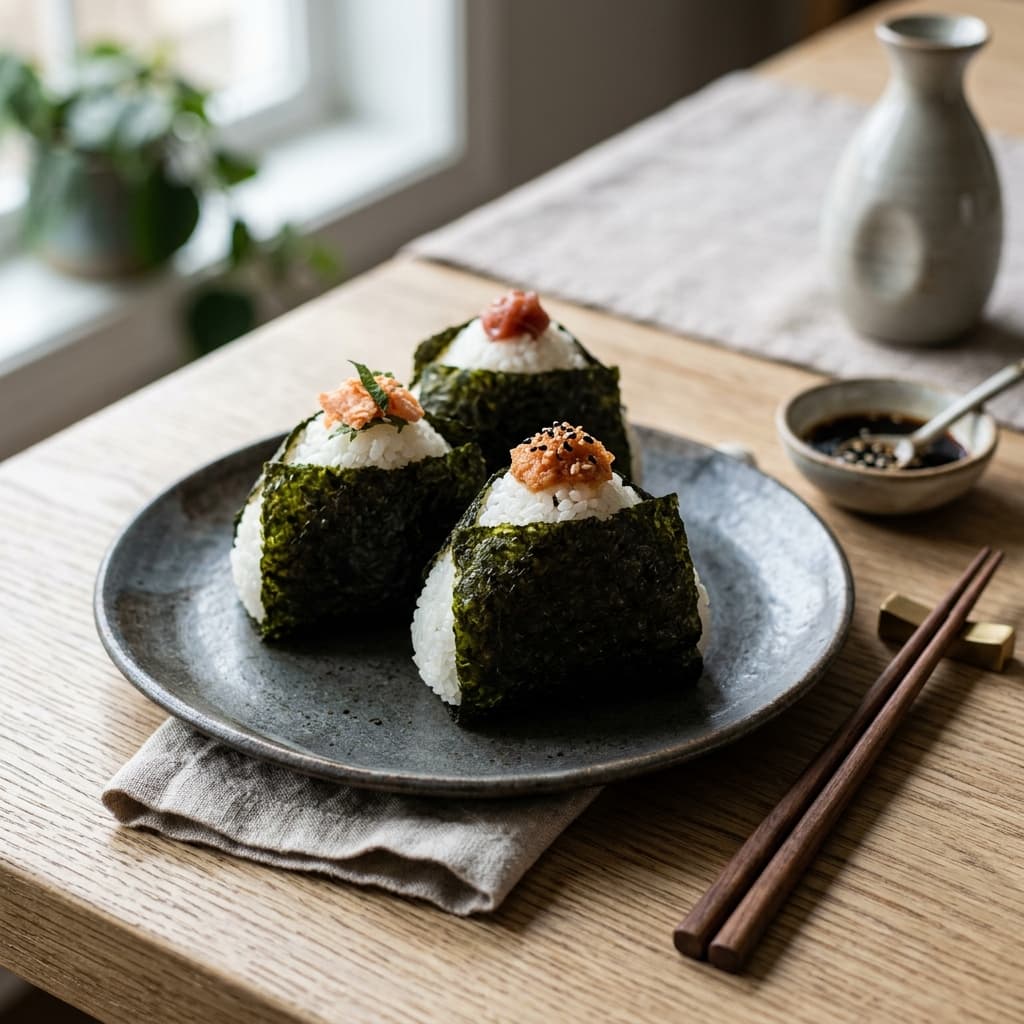
Nori is incredibly versatile. While it is internationally famous for wrapping sushi rolls, in Japan it is an everyday pantry staple enjoyed in myriad ways.
- Folded around freshly made warm Onigiri (rice balls)
- Eaten plain as a healthy, savory snack
- Crumbled over hot steaming Ramen or Soba noodles
- Served at breakfast to wrap mouthfuls of rice
The Art of Gifting
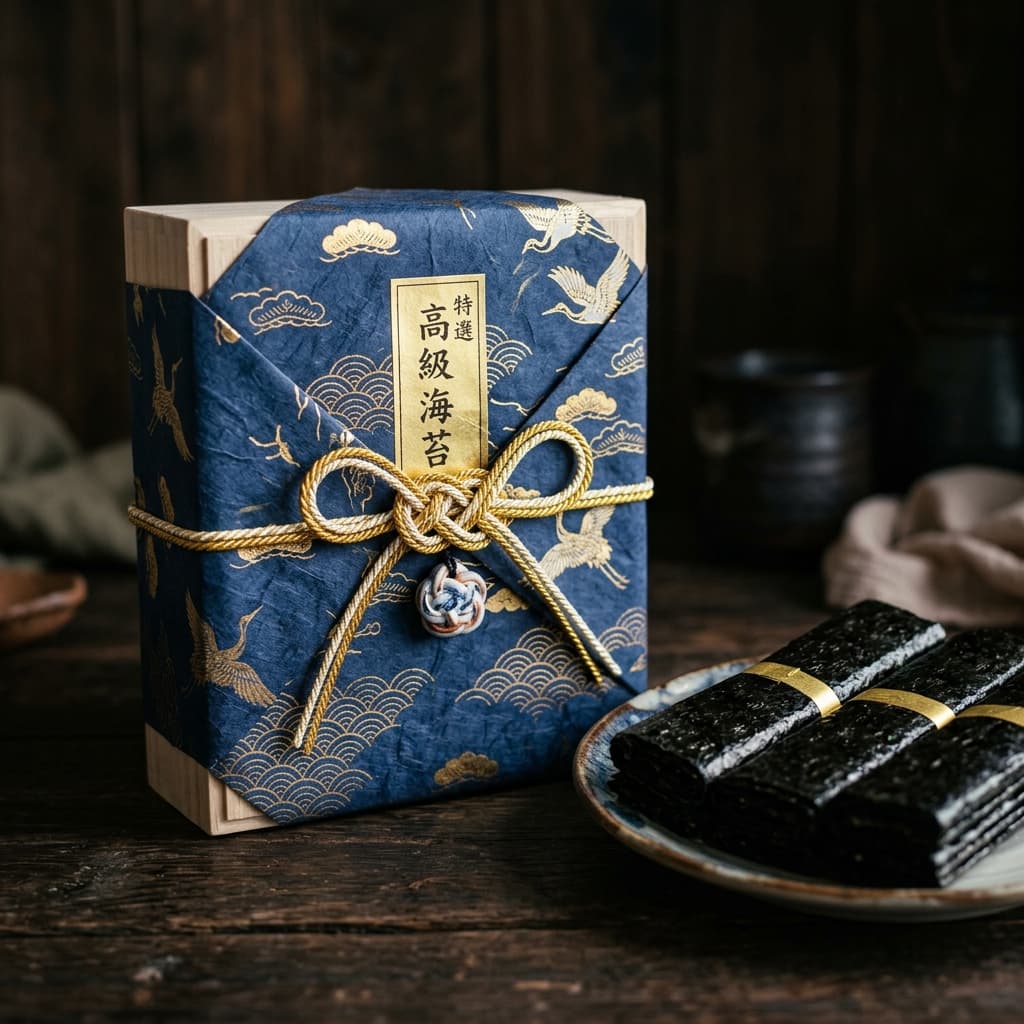
In Japan, premium nori is an esteemed traditional gift, especially during the Ochugen (summer) and Oseibo (winter) giving seasons.
High-grade nori comes in exquisite decorative tins or washi-paper boxes. Its deep black color and glossy sheen represent high quality, and because it is dry and long-lasting, it symbolizes wishing the recipient enduring health and prosperity.
Japanese vs. Korean Nori
Japanese Nori
Thicker, crisper texture. Usually unseasoned (Yaki-nori) or lightly seasoned with soy/mirin. Prioritizes the pure taste of seaweed. Best for sushi and folding.
Korean Gim
Thinner and more porous. Almost always generously brushed with sesame oil and salt before roasting. Highly savory and shiny. Best as a side dish or snack.
Health & History
Historical records note nori consumption dating back to the 8th century in Japan. By the Edo period (1603–1867), the modern sheet-form was invented in Edo (Tokyo), utilizing the local paper-making techniques.
Nutritional Powerhouse:
- Rich in Iodine and Tyrosine for thyroid health
- High in Vitamin B12, excellent for plant-based diets
- Packed with dietary fiber and Omega-3 fatty acids
- Naturally abundant in Umami (glutamic acid)
Experience the Quality
We are curating the finest artisanal nori from Japan's most pristine waters. Visit our shop to explore our First Harvest collection.
Visit Our Shop